
"Chinese coffee growth"
2000 article(s) found
Looking forward to the development trend of coffee in China
1. Great potential for the development of the domestic coffee market after China's entry into WTO, China's economy is developing rapidly, people's living standards are constantly improving, and coffee is being accepted by more and more Chinese. Coffee is no longer just a drink, it is gradually closely linked with fashion and taste, or make friends and talk, or business talks, or leisure, in a cup of coffee filled with music.

Is there really a trillion-dollar coffee market in China? Three great opportunities for the coffee market in the future!
Professional coffee knowledge exchange More coffee bean information Please pay attention to coffee workshop (Weixin Official Accounts cafe_style) interpretation: At present, the coffee market scale in China is about 110 billion yuan, far away from the total market volume of 1 trillion yuan. In response to the old saying, there is a long way to go for the take-off of China's coffee market. China's coffee market is big enough and profitable enough

American media: the change in Chinese taste has boosted global coffee consumption
California-born Jim Lee came to China to open a coffee shop four years ago. His OceanGrounds lattes sell for 38 yuan ($5.97) per cup, and the number of customers is growing. At first, most of the guests were polite white-collar workers and foreigners, but now it's hard to say, from the young to the old, Li said. the market is expanding. Analysts say that Chinese society is concerned about such small as foreign imports of fruit.
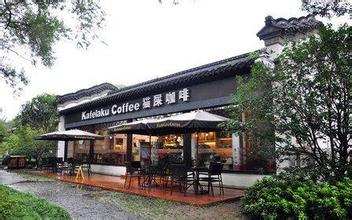
The Kopi Luwak counterattack became the highlight of the coffee market ushered in the perfect counterattack after the trauma of the new rival.
With the popularity of the third wave of coffee culture around the world, the number of urban coffee chains in China shows a blowout trend. Among them, Kopi Luwak, which is recognized as the most expensive coffee in the world, is gradually entering the Chinese market.

Starbucks turns to commercial expansion with launch of bottled Frappuccino expansion line
Professional barista exchanges, please pay attention to coffee workshop (Weixin Official Accounts cafe_style ) After launching ready-to-drink coffee, Starbucks (special reading) recently started the business of ready-to-drink tea drinks in China. The two latest products are bottled black tea frappuccino and bottled matcha frappuccino. It is reported that the drink has been the first in Tmall supermarket listing. Starbucks launched four in September.
The trend of Coffee in China the Chinese coffee market is expanding at a rate of more than 30% a year.
According to the China report Hall, coffee shops have sprung up in the streets of major cities in China in the past decade, especially with the entry of Starbucks, Shangdao and other large enterprise groups, the market is showing a lively scene. We can find that the consumer group of coffee is gradually growing, the coffee culture is gradually taking shape in inland cities, and every year the domestic coffee

Letter | Chinese coffee, is your opponent milk tea or Lafite? Talk about Chinese coffee.
Author | Feng Ben, founder and editor of Biel Coffee Station | Cafe sir, I believe everyone will sigh: Chinese coffee is too expensive! Recently, almost all coffee companies have learned to come up with a data (the content is nothing more than how many cups per capita in China, how many cups next door, how many cups are there, how many cups are there in the market last year, how many tens of thousands of growth, and how much is expected this year?

When did coffee become popular in China?-the reason why coffee is popular.
When did coffee become popular in China? another reason for the popularity of coffee is that competition crosses the border. At present, China's annual coffee consumption is about 70 billion yuan, which is expected to reach 1 trillion yuan within 10 years, while the annual growth rate of coffee consumption is about 20%, much higher than the global 2%. It is not difficult to see that China's coffee market has great potential. Coffee chain zero in China

Under the impact of Lucky and other new retail coffee, Starbucks has lost its dominant position in China's coffee industry.
Professional coffee knowledge exchange more coffee bean information Please follow the coffee workshop (Wechat official account cafe_style) for many years, NASDAQ:SBUX has regarded the Chinese market as the biggest growth opportunity. Howard Schultz, former chief executive of Starbucks, has said that he expects China to one day become the company's biggest market, and the company will

Market Survey and Prospect Consulting report of Coffee chain Industry in 2014-2016
At present, coffee consumption in China is still small, but the growth momentum is very considerable. With the popularity of coffee in China and the gradual expansion of consumers, the retail scale will maintain a momentum of sustained and steady growth. The China Business Intelligence Network predicts that by the end of 2018, the retail volume of coffee in China will be close to 65000 tons, and the retail sales will exceed 12 billion yuan. With the improvement of residents' income in our country, the quality of life

The Chinese began to prefer coffee and American media: attracted by the Western way of life
Core tip: industry insiders say that China's coffee consumption is growing at an annual rate of 15%, while the global average rate is 2%, so China is the fastest growing coffee market in the world.

Starbucks' success depends on China to open a store within 15 hours.
Chinese mainland is a gold rush for some multinational companies and a major driver of Starbucks' results in the second quarter of fiscal 2017. Photo Fei Chinese mainland local Starbucks. (central News Agency, Taipei, 3rd)-Chinese mainland is a gold rush for some multinational enterprises and a major driving force for Starbucks' performance in the second quarter of fiscal 2017. President and CEO of Starbucks
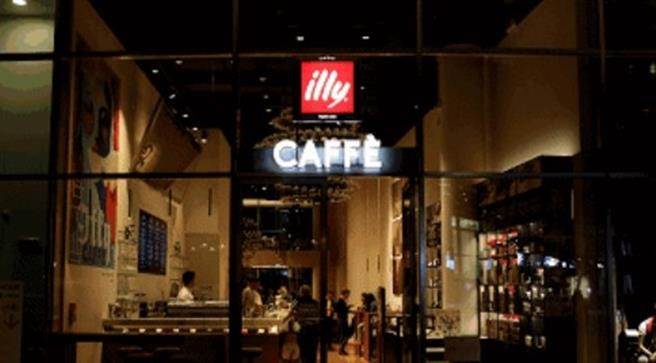
Illy joins Starbucks with a new competitor
For professional baristas, please pay attention to the current Chinese market for coffee workshops (Wechat official account cafe_style). Although coffee consumption is still not popular enough, it has created the fastest growth in the world. So the market wind also changes, although it is not easy to make a profit, the shop closure rate is not low and other practical problems, but still can not stop the enthusiasm of the players. The hot and dry market is closer to consumers.
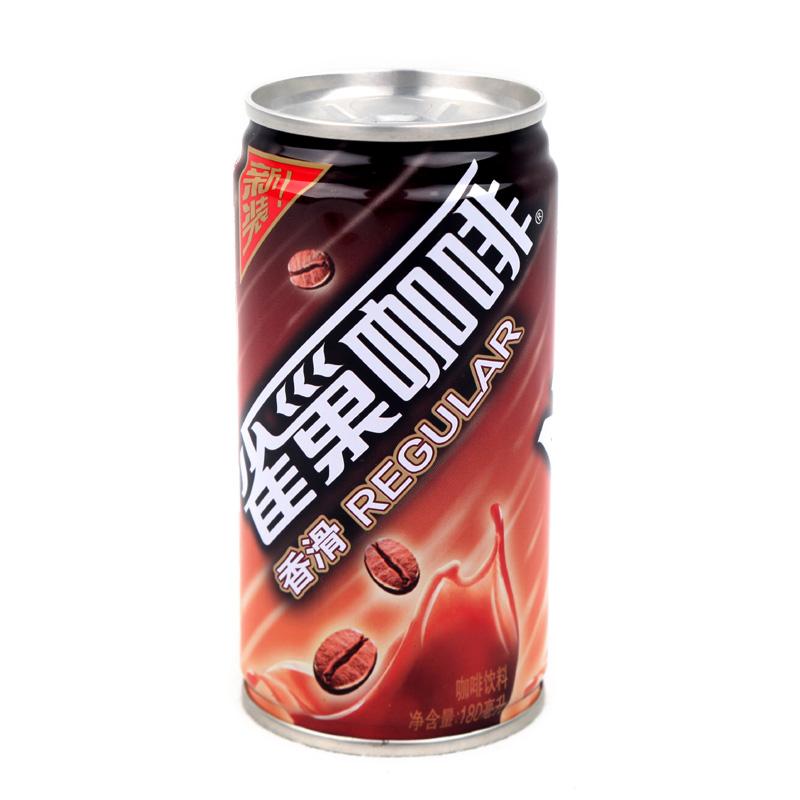
Last year's poor performance, why did Nestl é pour out the coffee?
In the 1980s, Maxwell and Nestle, two major instant coffee brands, were almost the forerunners of Chinese mainland coffee enlightenment education. But the coffee market is no longer just owned by Nestl é and Maxwell. Under pressure from many coffee products to carve up the market, Nestl é destroyed nearly 400 tons of unexpired instant coffee in February. The production capacity is ahead of the consumption capacity, and Nestle dissolves coffee.

Nestlé 2018 results released! Coffee business performs well in China, but performance growth depends on price increases
Professional coffee knowledge exchange More coffee bean information Please pay attention to the coffee workshop (Weixin Official Accounts cafe_style) Nestle just released the annual report card. Nestlé reported organic growth of 3% in 2018, with real internal growth of 2.5% and price factors of 0.5%. Growth was primarily driven by strong growth in the US and China markets, as well as infant nutrition business

What should Nestl é, the world's largest food retailer, do when it is stuck in China?
With slow growth in the instant coffee market, lack of brands with high growth potential and difficult integration with local companies, what should the world's largest food retailer do? Nestle, the world's largest food company, has tasted the bitterness of coffee in the Chinese market. After a lapse of five years, Nestl é has replaced the full package of instant coffee. The classic brown color was replaced with bright red, and the salesman did so.

A survey of China's coffee market: the new bright spot of convenience store coffee is still latte.
Professional coffee knowledge exchange more coffee bean information Please follow the hot coffee war in the coffee workshop (Wechat official account cafe_style). Since last year, the new retail coffee that has emerged as a new force in the field of take-out coffee has always been the most eye-catching player, but in fact, as an emerging product, the penetration rate of new retail coffee in the domestic market is still low.

Coffee giant Starbucks' latest profit plunged nearly 70% of Japanese media: nothing to do with China
For more information on coffee beans, please follow the coffee workshop (official Wechat account cafe_style). Before Apple blamed its lower earnings on China's economic slowdown, whether Starbucks's profit decline was also due to the coldness of the Chinese market. Starbucks has always been seen as a representative of companies that have been victimized in the Sino-US trade war. According to US media reports, the new competition

Coffee chain joining-- Analysis of Coffee Entrepreneurship Market
The international coffee market is in the mature stage, and many people do not know that coffee beans are the second largest trading commodity in the world. Coffee is produced in more than 70 countries with an annual output of 1 million bags. the development of the coffee industry provides employment opportunities for 100 million people around the world. The coffee production of the exporting member countries of the International Coffee Organization accounts for more than 97% of the world's total output. While annual retail sales exceed 70%.

The growth rate of South China market is as high as 30%-Kopi Luwak locates itself in the middle and high end market.
In addition, in order to meet more consumer demand and brand promotion, Kopi Luwak has not only pure high-end Kopi Luwak, but also medium-and low-end coffee with a selling price of about 20,30 yuan, and even instant coffee products. The ratio of high-end products to low-end products is 3:7. At present, cafes are polymorphic in China. In this context, Zhu Danpeng believes that coffee shops such as Starbucks and Pacific Cafe